


What Kills Moss on a Driveway?

Updated: 3 days ago
Moss on a driveway is killed by a moss killer made for hard surfaces (the common active ingredients are benzalkonium chloride, acetic acid, fatty acids or pelargonic acid), by household vinegar or baking soda on small patches, or simply by scraping and brushing it off. Killing it is the easy part. Unless you deal with the shade, damp and standing water that let it grow, it will be back within a season.
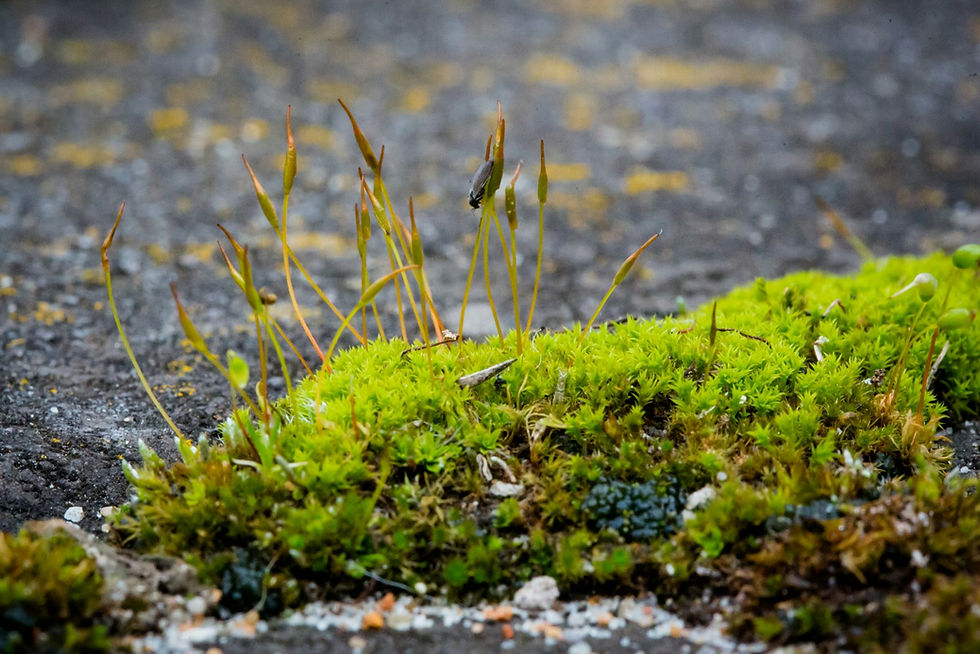
Why does moss grow on a driveway?
Moss needs moisture to grow and spread, so it shows up wherever a drive stays damp. The usual culprits, in order:
Shade: north-facing drives and spots under trees or beside high walls never dry out.
Standing water: a drive without enough fall holds water in dips and along edges.
Debris: leaves, soil and grit sitting on the surface trap moisture and give spores somewhere to root.
An open surface: older tarmac, worn concrete and the joints in block paving give moss a grip that a tight, new surface does not.
Growth is usually worst after a wet winter, which is why so many drives look green by March.
Which moss killers work on driveways?
Look for a product labelled for paths, patios and drives rather than a lawn moss killer. Most products sold for hard surfaces in the UK are based on one of four actives:
Benzalkonium chloride: the usual ingredient in patio cleaners that you spray on and leave, working slowly over days or weeks of weather.
Acetic acid: a concentrated form of the acid in vinegar, which burns moss back quickly.
Pelargonic acid: another fast-acting contact killer, often sold as a moss and algae killer.
Fatty acids: a contact moss killer that browns growth within hours to days.
None of them lasts for long. The RHS points out that most products are non-persistent and need repeat applications, and growth returns if the conditions stay the same. Treat a moss killer as a reset, not a cure, and always follow the label for dilution, surface suitability and how long to keep pets off.

Does vinegar kill moss on a driveway?
Yes, white vinegar kills moss it touches, because the acid dries out and burns the growth. Spray it neat or half and half with water on a dry day, leave it 15-20 minutes, then scrub with a stiff brush and rinse. Expect to repeat it, as household vinegar is weaker than the acetic acid products sold for the job.
On tarmac, vinegar at household strength used now and then is unlikely to harm the surface, and it is one of the gentler options. Be more careful on concrete and natural stone: acid attacks cement and limestone, so repeated soaking can dull or etch the surface.
Does baking soda kill moss?
Baking soda does kill moss on small patches. Sprinkle it straight onto dry moss on a dry day, leave it overnight, then brush it away. It works best on thin growth in cracks and along edges, and it is less effective on thick mats or large areas, where a proper moss killer or a scraper is quicker.
How to remove moss from tarmac (step by step)
Tarmac needs a gentler approach than concrete because its surface is stones held in bitumen, and aggressive cleaning pulls those stones loose. To get moss off tarmac:
Scrape off thick growth with a flat spade or scraper held low, without digging into the surface.
Sweep with a stiff nylon brush (not a wire brush, which scores the surface and loosens stones).
Apply a moss killer labelled safe for tarmac, or vinegar for small areas, on a dry day.
Leave it for the time on the label, then brush off the dead growth.
If you rinse, use a hose or a pressure washer on a wide fan at low pressure, kept well back from the surface.
Moss that keeps returning in the same spots on old tarmac driveways is usually telling you the surface has opened up or water is sitting there. Our guide to how to clean a tarmac driveway without damaging it covers safe products and pressures in more depth.

Moss on concrete, block paving and resin
Plain concrete takes the most punishment: a stiff brush, any hard-surface moss killer and a pressure washer are all fine. Pattern imprinted concrete is sealed, so moss sits on the sealer and lifts easily, but avoid strong acids and solvents that can cloud it.
On block paving, moss lives in the joints. A weeding knife or joint scraper gets it out, and after pressure washing you will need to brush fresh kiln-dried sand back into the joints. On resin bound, keep to a soft or nylon brush and low pressure so you do not loosen the aggregate. Weeds in the joints and edges are a slightly different job, which our driveway weed killer post covers.
When is the best time to kill moss on a driveway?
Treat moss in mild, settled weather in spring or early autumn, when it is actively growing and you can get a dry spell for the product to work. Avoid frost, heavy rain forecast within the label's dry period, and the middle of a hot dry summer when moss is dormant and shrivelled. One treatment in autumn and a follow-up in spring keeps most drives clear.
How to stop moss coming back
Prevention is the only part that lasts. The RHS and our own experience on drives across Wolverhampton point to the same steps:
Let light and air in: cut back overhanging trees and shrubs.
Sweep regularly: clear leaves and grit before they hold moisture.
Keep drains and channels clear: blocked gullies leave water on the surface.
Fix the falls: a drive should shed water, not hold it in dips.
If the drive itself holds water or has broken up, cleaning will only buy time. That is when resurfacing or relaying with proper falls and drainage is the real fix.
Moss and lichen questions, answered
Is lichen on a driveway the same as moss?
No. Lichen forms flat, crusty grey, yellow or white patches that grip the surface far more tightly than moss. The same hard-surface products and a stiff brush will kill and lift most of it, but lichen grows slowly and can leave faint marks that take several treatments to fade.
Will bleach kill moss on a driveway?
It will kill surface growth, but bleach is not sold for this, it can harm plants and borders it runs into, and it does nothing that a labelled moss killer does not do better. We would not use it on coloured concrete or resin.
Is moss on a driveway dangerous?
It can be. Wet moss is slippery underfoot, especially on a slope, and a mat of moss holds moisture against the surface, which speeds up frost damage on older tarmac and concrete.
Getting the drive itself right
A tight, well-laid surface with proper falls gives moss far less to work with than a tired drive that holds water. Pete and the team in Tettenhall lay tarmac, resin bound and pattern imprinted concrete driveways across the Black Country and south Staffordshire, and if your drive keeps going green because it has broken up or sits wet, we can take a look and give you a free quote after a site visit.


Comments