


Resin Driveway vs Block Paving: An Installer's Comparison

Updated: 3 days ago
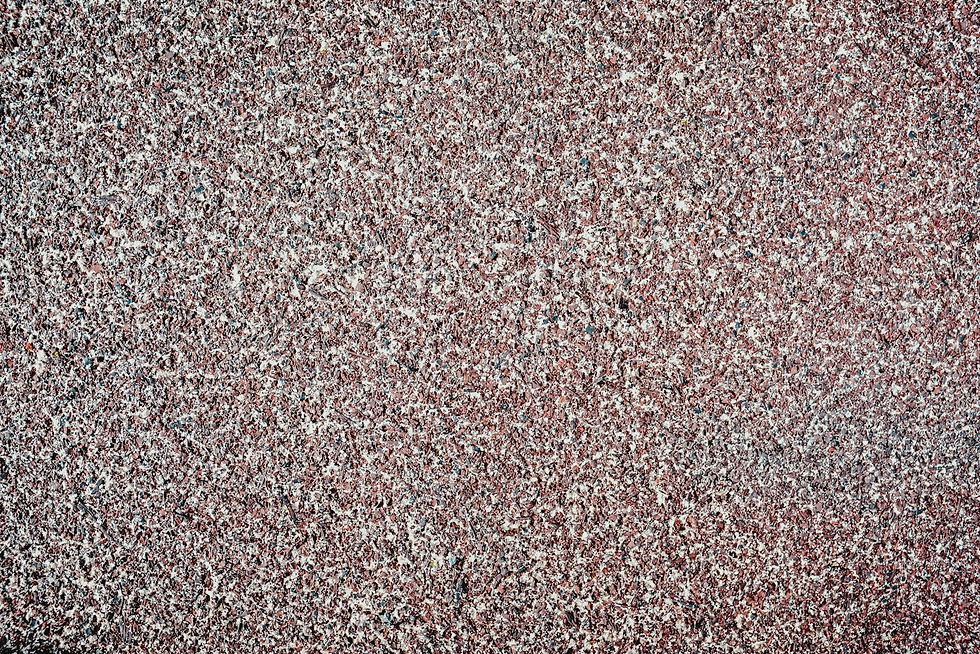
The short version: a resin bound driveway is a smooth, jointless, permeable surface with nothing to weed, while block paving is a hard-wearing surface of individual blocks that can be lifted and relaid but has joints that grow weeds and, in its standard form, does not drain through. Which one costs less depends mostly on the base under the resin. Block paving is easier to repair in patches.
For transparency: we lay resin bound, tarmac and concrete driveways, not block paving, so this is a comparison rather than a sales pitch for both.
How each driveway is built
Block paving is a flexible pavement. Concrete or clay blocks are laid on a 25-40mm bed of grit sand over a compacted sub-base (Pavingexpert gives 100mm as the usual minimum for drives). Joints of 2-5mm are filled with kiln-dried sand and the whole area is plate-compacted so friction locks the blocks together. Edge restraints, bedded and haunched in concrete, stop the blocks creeping sideways.
Resin bound, as used on the resin drives we lay, is a single layer of stone mixed with resin, trowelled around 18mm thick for a driveway over a solid, bound base. On a new permeable build that base is open-graded stone with a porous asphalt layer on top; on an overlay it is existing sound tarmac or concrete. It also needs a fixed edge to finish against. Our post on how a resin driveway is laid walks through each stage.
Drainage and planning
Resin bound: permeable when laid on a permeable base. Water goes through the surface and into the stone below, which is why a resin bound drive meets the front-garden planning rule without a soakaway.
Standard block paving: not designed to be permeable. Interpave, the precast paving trade body, says the sand-filled joints of conventional block paving soon clog to give a sealed surface, and the Type 1 sub-base used under it is not permeable when compacted. So in England, a new or replacement block-paved front garden over 5 square metres needs planning permission unless the water runs off to a lawn, border or rain garden.
Permeable block paving is a different product: blocks with wider joints filled with fine angular stone rather than sand, over an open-graded sub-base. It drains well when it is built and maintained properly.
Weeds and moss
Block paving has a joint every few centimetres, and every joint is somewhere for seeds to land, moss to grow and ants to dig out sand. Jointing sand needs topping up after jet-washing.
Resin bound has no joints. Weeds cannot grow up through it, and anything that lands on top is swept off. Moss can still grow in damp, shaded corners on any surface, resin included, if leaves and soil are left to sit.
Sinking, rutting and cracking
The failure modes are different because the construction is different.
Block paving can sink or rut in the wheel paths if the sub-base was too thin or poorly compacted, or if the sand bed was too deep. Edges spread if the restraint was not haunched properly. The upside is that a sunken patch can be lifted, re-bedded and relaid with the same blocks.
Resin bound does not rut, but it cracks if the base underneath moves or was already cracked, because the resin follows whatever is under it. Pavingexpert warns specifically against laying resin over block paving or slabs for this reason: each joint can reflect up as a crack. Repairs are possible but rarely invisible. Our post on resin driveway problems goes through the causes in order.
Looks and design
Block paving offers patterns (herringbone, basketweave, stretcher bond), borders and a huge range of colours and textures. It suits traditional and period houses particularly well.

Resin bound offers a smooth, contemporary finish in natural stone blends, with curves and sweeping edges that cost nothing extra to cut. Many resin drives use a border of blocks or setts as the edging, which brings in some of the texture of paving.
Cost: resin vs block paving
Published 2026 cost guides put resin bound at about £60 to £95 per m² where the existing base is sound and needs little preparation (MyJobQuote), rising to commonly £180 to £250 per m² when a new base has to be built (an industry figure quoted by Homebuilding & Renovating). Block paving sits at about £90 to £150 per m² installed (BestBuilders). So resin over a sound base usually comes in below block paving, while a full new resin build costs more. Our resin driveway cost guide breaks the resin figures down by drive size.
Those are market ranges, not quotes. The base work, dig-out, drainage and access on your property will move either figure more than the choice of surface.
Which suits your drive?
Choose a resin bound driveway if you want a smooth, modern, jointless finish, you have a front garden where drainage or planning is a concern, you hate weeding, or the drive has curves and odd shapes. It suits most suburban drives around Wolverhampton, the Black Country and Telford.
Choose block paving if you want a traditional patterned look, the drive sits over services you may need to dig up (blocks can be lifted and put back), or you are matching existing paving on the property.
Consider something else if the budget is tight for a large area. Tarmac covers big areas for less, and pattern imprinted or exposed aggregate concrete give decorative finishes on a rigid base. Our guide to the best driveway material for UK homes compares all of them.
We lay resin bound driveways with UV-stable resin and a 10-year guarantee, alongside tarmac and concrete.
Resin vs block paving questions, answered
Can you lay resin over existing block paving?
It is sometimes done, but it is not a good idea. The blocks are separate units on sand and they move independently. Each joint is a likely crack line in the resin. The reliable approach is to lift the blocks and build a proper base.
Which lasts longer, resin or block paving?
Both last well when properly built. Resin bound laid on a good base can last up to 25 years. Block paving lasts a long time too, largely because worn or sunken areas can be lifted and relaid.
Is resin or block paving better for heavy vehicles?
Block paving on a proper sub-base handles heavy loads well. Resin bound handles cars and vans on a well-built base; for regular heavy vehicles the base design matters more than the surface.
If you are deciding between finishes for a drive in Wolverhampton or nearby, a free site visit is the quickest way to see what the ground and drainage will allow. Our exposed aggregate concrete is also worth a look if you like a stone finish but want a rigid base.


Comments