


How to Clean a Driveway

Updated: 1 day ago
To clean a driveway, clear it, sweep it hard, wash it with warm water and a mild detergent and a stiff brush, then rinse. Only reach for a pressure washer if your surface can take it, and then use a wide fan nozzle, keep the lance moving and start on a hidden corner. Every surface can be cleaned, but tarmac, resin and sealed concrete each need a slightly different touch.
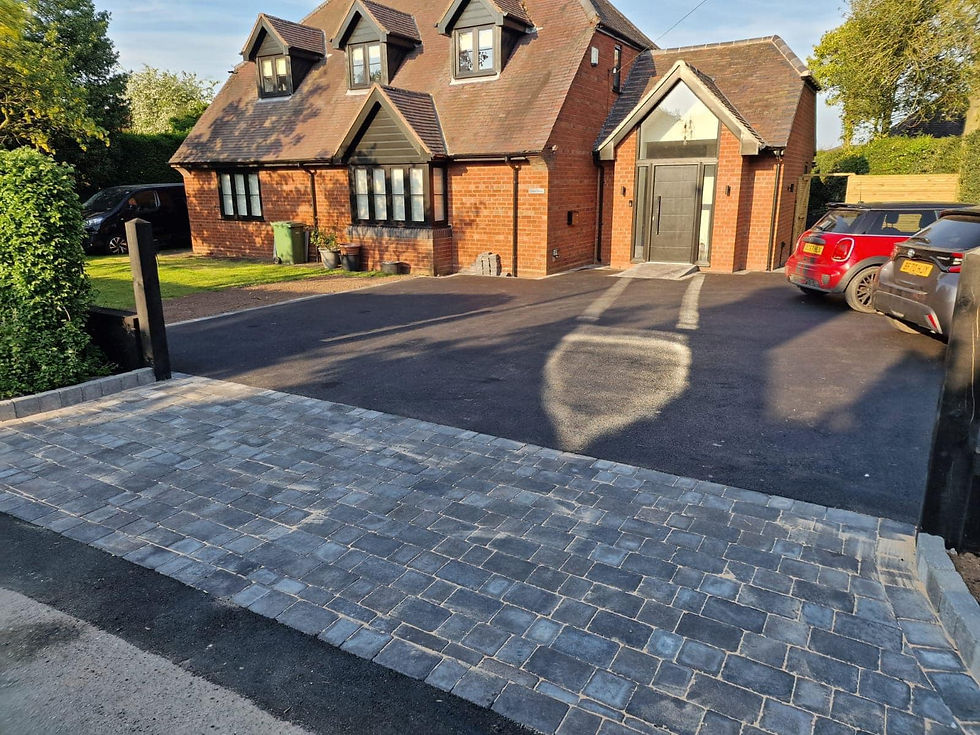
What you need to clean a driveway
Most driveways come up well with basic kit:
A stiff yard broom, plus a softer brush for tarmac and resin
A bucket of warm water and a mild detergent (washing-up liquid is fine)
A hose with a spray head
A pressure washer with a wide fan nozzle, if your surface suits one
A surface-safe moss and algae treatment for shaded areas
Cat litter, sand or a commercial absorbent for fresh oil spills
Skip bleach, brick acid, petrol and wire brushes. They cause more damage on driveways than dirt ever does.
How to clean a driveway, step by step
Clear the area. Move cars, bins and pots so you can reach every edge.
Sweep everything. Get grit, leaves and loose stones off first; grit under a brush or a jet scratches the surface.
Treat stains and moss first. Soak up fresh oil and apply moss treatment to shaded patches, following the product's dwell time.
Wet the surface. A pre-wet stops detergent drying in patches.
Wash and scrub. Warm water, a little detergent, and a brush suited to the surface. Work in sections.
Rinse thoroughly. Rinse towards the drain or the lowest edge so dirty water does not sit in one spot.
Pressure wash only if needed. Wide fan, moving lance, low to medium pressure, never a rotary or turbo nozzle on tarmac or resin.
How to clean a tarmac driveway
Tarmac needs a gentler approach than most people expect. It is bound with bitumen, and petrol, diesel and solvent-based degreasers soften that binder, so the wrong cleaner can do more damage than the stain. Sweep, wash with warm water and mild detergent using a soft or medium brush, and rinse gently.
If you pressure wash a tarmac drive, keep to a wide fan, low to medium pressure, and keep the lance moving. A tight jet held in one place loosens the surface stones. Oil needs dealing with quickly on tarmac, and our guide to removing oil from a driveway covers which products are safe on bitumen. Our tarmac driveways need little more than this: an occasional sweep and wash.
How to clean a resin bound driveway
Resin bound is one of the easiest surfaces to keep clean. Because the stone is locked into the resin and the surface is permeable, there are no joints to trap dirt and water drains straight through. A sweep now and again, an occasional wash with a hose or a low-pressure setting, and dealing with spills and moss reasonably promptly is all the resin drives we lay need.
Avoid wire brushes, harsh chemicals and a close-up jet, which can loosen stones at the surface. Sweeping matters more on resin than on other surfaces: leaves and soil left to rot will clog the voids and slow the drainage. Resin bound does not need resealing.
How to clean concrete and pattern imprinted concrete
Plain concrete is tough but porous, so stains set quickly if they are left. Warm water, detergent and a stiff brush deal with most grime, and a pressure washer on a fan nozzle is usually fine on plain concrete in good condition. For oil, use a degreaser that says it is suitable for concrete.
Pattern imprinted concrete is different, because what you are cleaning is the sealer, not the concrete. The sealer holds the colour and keeps water, oil and frost out of the surface. Wash it with detergent and a soft brush, and keep a pressure washer well back and moving, because aggressive washing wears the sealer away. Acid-based patio cleaners can etch concrete and strip sealer, so keep them off. Imprinted concrete should be resealed every three to five years; if water no longer beads on the surface, the sealer is due.
How to clean an exposed aggregate driveway
Exposed aggregate is cleaned much like concrete. Regular sweeping and occasional pressure washing keep the surface clean, and the textured finish means debris is the main enemy: get leaves and soil off before they break down between the stones. A protective sealant can be applied every few years to improve durability and help resist staining.

Moss, algae and weeds on a driveway
Moss and algae grow where a drive stays damp and shaded, under trees, along north-facing walls and on low spots where water sits. Treat them early with a product that is safe on your surface, give it the dwell time on the label, then brush off and rinse. Scraping or blasting moss off without killing it means it comes straight back. Our guide on what kills moss on a driveway covers the options surface by surface.
What damages a driveway when you clean it
Most cleaning damage comes from a handful of habits:
Too much pressure, too close. A rotary or tight jet loosens stone on tarmac and resin and strips sealer on imprinted concrete.
The wrong chemicals. Solvents attack tarmac, acids attack concrete and sealers, and bleach is harsh on surfaces and on the plants alongside them.
Wire brushes. They scratch resin and sealed concrete and tear at tarmac.
Leaving stains. Oil and rust soak in further the longer they sit.
Little and often beats one heavy clean a year.
Driveway cleaning questions, answered
How often should you clean a driveway?
Sweep every few weeks, more in autumn. A full wash once or twice a year is usually enough, with stains dealt with as they happen.
Can you jet wash a driveway?
Most driveways, yes, with a wide fan nozzle and the lance kept moving. Tarmac and resin want low to medium pressure; imprinted concrete wants a gentle wash so the sealer survives.
Should you seal a driveway after cleaning?
Only if the surface is designed for it. Imprinted concrete needs resealing every three to five years and exposed aggregate benefits from a sealant every few years. Resin bound and tarmac do not need sealing.
When cleaning won't fix it
If the drive is cracked, sinking, crumbling or holding water, it is the construction, not the dirt. Cleaning will not fix a failed base. We have spent over 25 years laying driveways around Wolverhampton, and when a drive is past saving we can talk through resin bound, tarmac, imprinted concrete or exposed aggregate as a replacement on a free site visit, which you can arrange through our contact page.


Comments