


Tar and Chip Driveways: How They Are Laid and How They Compare With Tarmac

Updated: 3 days ago
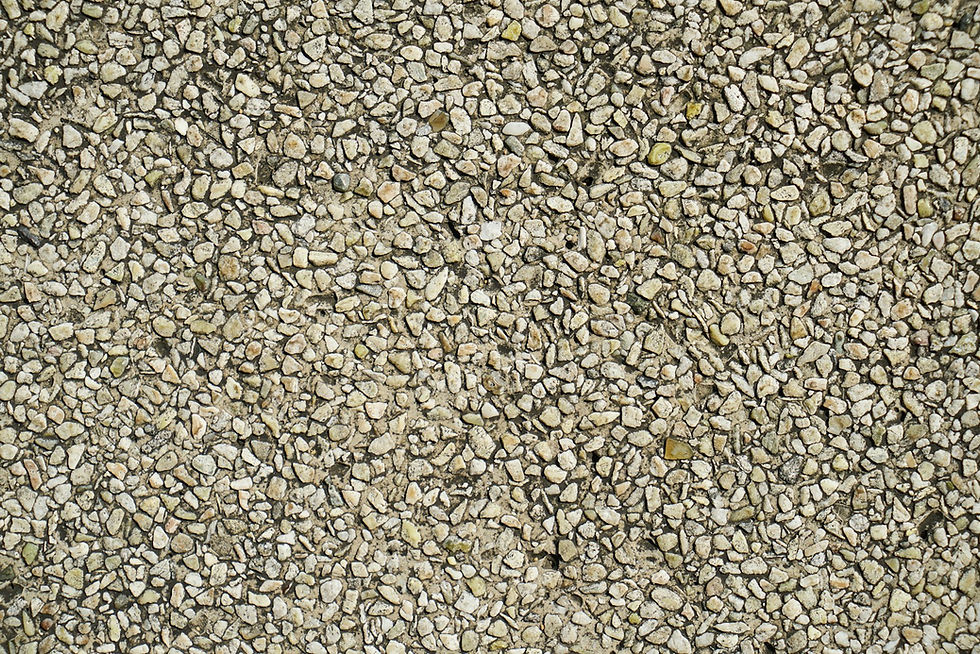
A tar and chip driveway gives you a natural stone look for less per square metre than hot-laid tarmac driveways, especially over a long drive or lane. The trade-off is loose chippings for the first weeks, a rougher texture, scuffing where tyres turn, and a shorter life between treatments than a well built tarmac drive. It suits rural drives and long runs; on a compact town drive, the savings shrink and the drawbacks show more.
What is tar and chip?
Tar and chip is the driveway name for surface dressing, the same process councils use on country roads. Hot liquid bitumen (not tar, despite the name) is sprayed over a prepared base, stone chippings are spread over it straight away, and the chippings are rolled in so they bed into the bitumen. The Asphalt Industry Alliance describes surface dressing simply as spraying bitumen onto a surface and applying chippings, which are then rolled in.
The finished surface takes its colour from the stone, so it can be golden, grey, red or buff depending on the chippings chosen. Some drives get a double dressing: two layers of binder and chippings, usually a larger stone first and a smaller one on top, for a tighter surface.
How is a tar and chip driveway laid?
Base. Either a new compacted crushed stone sub-base, or an existing sound surface such as old tarmac. Like any drive, it needs proper falls and edges.
Binder spray. Hot bitumen, often polymer modified, is sprayed evenly across the area.
Chippings. Stone is spread over the hot binder immediately, in a slight excess.
Rolling. Rollers press the chippings into the binder.
Sweeping. Loose surplus is swept off, and again over the following days and weeks.

Weather matters. Suffolk County Council, for example, only surface dresses roads between April and September because the process needs warm, dry weather, and it cannot go ahead in wet or damp conditions. A tar and chip drive is a summer job.
How much does a tar and chip driveway cost?
Published figures vary widely because the base work varies so much. One UK surfacing specialist puts installed tar and chip at around £45-£75 per m². For comparison, most new tarmac drives are quoted at £50-£90 per m² (see our tarmac driveway cost guide), and Checkatrade's average is around £90 per m² including labour.
The bigger the area, the stronger the case for tar and chip, because spraying is quick once the equipment is on site. On a small front drive, the cost of preparation, edging and mobilising a spray rig means the saving over tarmac can be modest. If the job needs a new sub-base, that cost is the same whichever surface goes on top. These are national figures, not our prices; any real figure comes from a site visit.
How long does tar and chip last?
On public roads, Suffolk County Council says surface dressing normally lasts 6 to 12 years depending on traffic volumes. A private drive sees far less traffic than a road, but it also sees more tight, slow turning, which is what scuffs chippings out. Life depends heavily on the base, the quality of the binder and chippings, and how the drive is used.
When it wears, it can be redressed: a fresh spray and chippings over the old surface, as long as the base is still sound.
Tar and chip vs tarmac
Look. Tar and chip shows the stone colour and has a textured, rural look. Tarmac is smooth and black (or coloured).
Surface. Tar and chip is rough and sheds some loose stone, especially early on. Tarmac is smooth and holds together.
Turning. Turning a wheel while stationary can rip chippings out of a tar and chip surface. Tarmac copes better, though fresh tarmac marks too.
Build-up. Tar and chip is a thin wearing surface over a base. A tarmac drive has a binder course of around 50mm and a surface course of around 20-25mm on top of the sub-base.
Repairs. Both can be patched; patches show on both.
Cost. Tar and chip is usually cheaper per m² on large areas. On small drives the gap narrows.
Use. Tar and chip is at its best on long drives, lanes and rural approaches. Tarmac suits most domestic drives, including ones with tight turning and regular parking.
Both are impermeable. In England, a new or replacement front drive over 5m² that is not permeable needs to drain onto your own land (a lawn, border or soakaway) or it needs planning permission. That applies to tar and chip and to tarmac alike.
Common problems with tar and chip
Loose chippings. Some loose stone in the first weeks is normal and expected. It tracks into the house and can chip paint on cars if it is driven over fast.
Bleeding. In hot weather too much binder can rise to the surface and become sticky.
Stripping. Chippings lost in patches, often in turning areas or where the binder was too thin.
Edges. Without kerbs or edging, edges spread and break up, as with any bitumen surface.
Who should choose tar and chip?
It makes sense for long rural drives, lanes and farm approaches, and for anyone who wants a gravel look without loose gravel. If you have a short town drive, park tightly or turn on the spot, a hot-laid tarmac surface is usually the better fit. A tarmac drive can still get texture and colour from borders and edging, as our tarmac driveway ideas show.
Tar and chip questions, answered
Can tar and chip go over existing tarmac?
Yes, if the existing surface is sound. Potholes, loose areas and soft spots need repairing first, because surface dressing seals and refreshes a surface but adds no strength.
When can you drive on tar and chip?
It can usually take traffic soon after rolling, but it needs gentle use while the chippings bed in: low speed, no sharp turns on the spot, and sweeping of loose stone. Hot tarmac has its own timeline: walkable within hours, drivable after a few days, as set out in how long tarmac takes to dry.
Is tar and chip the same as a resin bound drive?
No. Resin bound is stone mixed with resin and trowelled smooth, and it is permeable. Tar and chip is stone rolled into a bitumen spray, with a rougher texture and loose stone at first.
Weighing up the options
If you are deciding between tar and chip and a laid surface for a drive in Wolverhampton or south Staffordshire, Pete and the team can talk you through tarmac, pattern imprinted concrete and resin bound, and what each would involve on your site. Ask us for a free site visit.


Comments